
Looking Your Best On Your Journey
- Beyond treatment and symptoms, patients often face profound changes in how they see themselves due to physical shifts like weight changes, scarring, or surgical outcomes.
- Women may struggle with feelings of incompleteness after mastectomy, while men—especially prostate cancer survivors—can experience silent insecurities tied to physical changes.
- Makeup artist and cancer survivor Ramy Gafni encourages a minimalist approach to beauty during treatment, focusing on strategic application to restore confidence.
- Emotional recovery is just as crucial as physical healing. Therapy, survivor groups, and peer connections can help patients process body image challenges and rebuild confidence.
A cancer diagnosis often unleashes a whirlwind of emotions—patients must navigate symptoms, treatment decisions, side effects, and concerns about their overall quality of life. While many are fortunate to have loved ones nearby to help shoulder the emotional weight, one aspect that may receive less attention early on is how cancer can alter the way you look and feel about yourself.
WATCH: SurvivorNetTV Presents: ‘SN & You – Body Image: Embracing Your Body’
Read More
Helping Men Feel Good About Themselves
Cancer treatment can leave behind visible and invisible marks—scars, weight fluctuations, fatigue, and changes in muscle tone—that may challenge how men see themselves. These shifts can be difficult to process, but they don’t diminish your strength, masculinity, or self-worth. In fact, they reflect a powerful story of survival.If you’re struggling with body image or self-confidence during or after treatment, here are thoughtful ways to reconnect with your sense of self and feel good in your skin again.
- Begin with Self-Compassion and Intentional Self-Care
- Healing starts with honoring what your body has endured. Instead of focusing on what’s changed, try reframing your inner thoughts with something like this: “My body fought hard. I honor that.” This mindset shift lays the foundation for rebuilding self-esteem. As Dr. Marianna Strongin, a licensed clinical psychologist, shared with SurvivorNet, “Self-care is a way for you to treat yourself, to give back to yourself, that feels very different than being a patient. It allows men to take on a different role—proactively giving back to their body and mind. I often recommend self-care include the things that bring you the most joy.”
- Dress to Feel & Look Good, Not Just Comfortable
- Clothing can be a powerful tool for self-expression and confidence. Choose outfits that make you feel strong and put-together—whether it’s a tailored blazer, a favorite pair of jeans, or a bold accessory. If scars or medical devices make dressing challenging, adaptive clothing brands offer stylish, dignified solutions.
- Reconnect with Movement
- While some men enjoy physical activity like playing a sport or hitting the gym to feel good about themselves, you don’t need to hit the gym hard to feel strong. Gentle strength training, yoga, swimming, or even daily walks can help restore a sense of control and vitality. Focus on what your body can do today—not what it used to do.
- Grooming
- Changes in skin, hair, or energy levels can affect how you feel about your appearance. A simple grooming routine—moisturizing dry skin, trimming your beard, or trying a new haircut—can be a powerful act of self-respect. Look for products designed for sensitive skin or post-treatment care to make the process easier and more comfortable.
- Rediscover Your Worth Beyond Diagnosis
- Every tip here points to one truth: you are worth more than your diagnosis. If you’re finding it hard to reconnect with that truth, consider speaking with a mental health professional who can help you rebuild your confidence and sense of identity.
RELATED: 5 Ways Male Cancer Survivors Can Restore Sexual Function
Often, confidence grows when men reconnect with their values—whether it’s mentoring others, pursuing a passion, or advocating for fellow survivors. Your body may have changed, but your purpose, your strength, and your story remain powerful.

Beauty Advice to Help Women Battling Cancer
Women navigating cancer who are seeking to reclaim their sense of identity and beauty can benefit from similar guidance offered to men—starting with a focus on self-worth and self-esteem. Before chasing external changes, it’s essential to honor the strength within. Confidence begins by recognizing that your diagnosis doesn’t define your value, but by your resilience, spirit, and the journey you’ve endured.
Makeup artist and cancer survivor Ramy Gafni shared some helpful tips to help you look your best.

“One of the things that I personally experienced when I was going through chemo … people were like, ‘Today you look green, today you look gray,'” he said, adding that it undermined his confidence. “It was exhausting to have that conversation of, ‘Oh, how are you feeling today?’ 50 times a day. I started doing make-up just to look like myself.”
Gafni says he has a “minimalist philosophy” — don’t go overboard with makeup, and be strategic about your application. Below, you’ll find his advice for looking great:
“Minimal makeup, maximum impact.” That’s Ramy Gafni’s advice for women dealing with cancer side effects.
1. Skin
During treatment, many people experience very dry or dull-looking skin, while others have periods of acne. Gafni’s advice is to keep an open mind when it comes to skin care products and to expect some trial and error.
“Your skin is not your own when you’re going through treatment,” he says. “People who were never sensitive before, suddenly their skin becomes sensitive.”
One type of product he suggests you try: baby products. “Johnson & Johnson baby wash, baby lotion, etc. You can use the baby wash on your face — it’s very gentle,” he says.

2. Hair
For hair loss, scarves and turbans are the least-expensive option, and can look stylish to boot.
Of course, many seek out information on wigs. SurvivorNet had previously reached out to New York-based hair and wig designer Robert-Charles Vallance, co-owner of Angels of New York, to ask his advice. He said the best place to start the process is with an in-salon consultation.
"We start with a consultation," Vallance said, “and go through the process” with them. This enables people to try on different colors and styles and give them the chance to express their precise wants and needs. Many survivors, for instance, want to replicate the hairstyle they had before treatment.”
For thinning hair, many people are drawn to clip-ins and hair extensions, but Gafni says to be aware that these can “tug on the roots,” and potentially “help the hair loss along.”
RELATED: Here’s the Expert Guide to Wigs During Cancer
For thinning hair (read: not extreme hair loss) Gafni recommends hair-building fibers. They “can fill up the bare spots in your scalp. If someone is having some thinning, it’s a good option,” he says.
Gafni recommends a product called Toppik.
3. Lashes & Brows
Many people will lose or experience thinning of their eyelashes and/or eyebrows when undergoing cancer treatment. Gafni has a few tricks for filling these in.
First, though, a warning: Gafni says lash extensions and false eyelashes can aid in hair loss, and, waterproof mascara needs to be taken off every night.
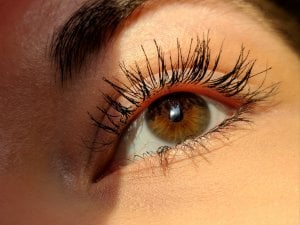
“Many people who are in treatment tell me their eyes tear a lot and they can’t use regular mascara,” he says. “If you go waterproof, you must remove it every night [with an oil]. Leaving the mascara on is not healthy for the lashes.”
To give the illusion of fuller lashes, Gafni recommends a soft eyeliner along the roots of the lashes in a mahogany color. He says he prefers a cake eyeliner or a pen/pencil as opposed to liquid.
For eyebrows, Gafni offers up several solutions.
The best bets, he says, are “a pen, a pencil, a pomade, or even an eyebrow mascara. If you still have some brow hair … go a shade or two lighter. It’ll give you a more natural effect to fill it with a color that’s lighter. If you lost your eyebrows completely, you want to go with a shade that matches your hair color because it’s going on bare skin.”
There’s also the option of micro-blading, which is a temporary tattooing of the eyebrows. This will last about a year without a touch-up.

4. Extra Shots of Glam
If you have a party you want to look particularly fabulous for, Gafni also has some simple tips to make looks pop.
Blush: To find the right blush, Gafni says to test it on an eyelid. “If it doesn’t look like a pretty eye shadow, it’s not the right color for your face,” Gafni says.
Lipstick: For lips, “add a brighter than usual lip color,” he advises. “It doesn’t mean it has to be fire engine red. If you [prefer] a neutral lip … add a little pop of sheer pink or red gloss. A brighter lip color really lights up your entire appearance.”
Shimmer: Gafni also recommends adding a highlighter or shimmer on the cheekbone, [the inner corner of eyes] and on eyelids. “It [also] brightens everything up,” Gafni says.
5. Fashion
Celebrity stylist/survivor Ann Caruso talks feeling confident again after going through cancer treatment.
Don’t forget the clothes! A flattering outfit can actually have a profound effect on how you feel about your body, so Ann Caruso, a stylist to the stars who also happens to be a cancer survivor, says to dress up.
In a previous interview, Caruso told SurvivorNet that after going through 12 surgeries related to her breast cancer diagnosis, she felt she had changed both physically and mentally. But finding the right outfits, she said, helped build her confidence.
“It was very hard for me to look at myself every day,” Caruso said. “It was like I was a totally different person and I didn’t fit into any of my clothes. … You need a few things that you feel good in because when you feel good in the clothes that you’re wearing it gives you confidence. Femininity is a state of mind, and I think that’s something that we need to remind ourselves.”
Learn more about SurvivorNet's rigorous medical review process.
