
Body Positivity After Treatment
- Singer Jessie J, 37, shows confidence post-mastectomy and reconstruction, sharing her recovery journey with fans and a stunning photo of her in a black swimsuit.
- A major health challenge that causes noticeable changes to your appearance can impact how you feel, physically and emotionally. Psychiatrist Dr. Marianna Strongin encourages cancer warriors to look at and appreciate the parts of their bodies that were affected by treatment to take back ownership.
- Jessie J was diagnosed with early-stage breast cancer. This type of breast cancer is characterized by a small tumor confined to the breast, with no signs of spread to the lymph nodes, making it highly treatable.
- Jessie J underwent a mastectomy (removal of the breast) followed by breast reconstruction for treatment. However, some women choose to move a little slower toward reconstruction.
- It may be worth noting that “Delayed reconstruction has fewer complications than immediate reconstruction,” Dr. Terry Myckatyn, a plastic surgeon specializing in breast reconstruction, told SurvivorNet.
- “Breast reconstruction is about restoring both a woman’s form and her sense of self,” explains Dr. Andrea Pusic, Chief of Plastic and Reconstructive Surgery at Brigham and Women’s Hospital. It’s a deeply personal decision, and today’s surgical options can create breasts that look natural and real.
- Plastic surgeons typically reconstruct breasts using either implants or tissue taken from another part of the body—such as the back, abdomen, or inner thigh.
- Jessie J expressed gratitude after her surgery that she “got to keep the nipple.” “Nipple-sparing mastectomy, or nipple-preserving mastectomy, differentiates itself from the traditional mastectomy where the nipple was not saved,” Dr. Irene Wapnir, a surgical oncologist and breast surgeon at Stanford University Medical Center, explains to SurvivorNet.
- Dr. Wapnir adds, a nipple-sparing mastectomy is an “ideal procedure for those women who choose to have prophylactic mastectomy who don’t yet have breast cancer.”
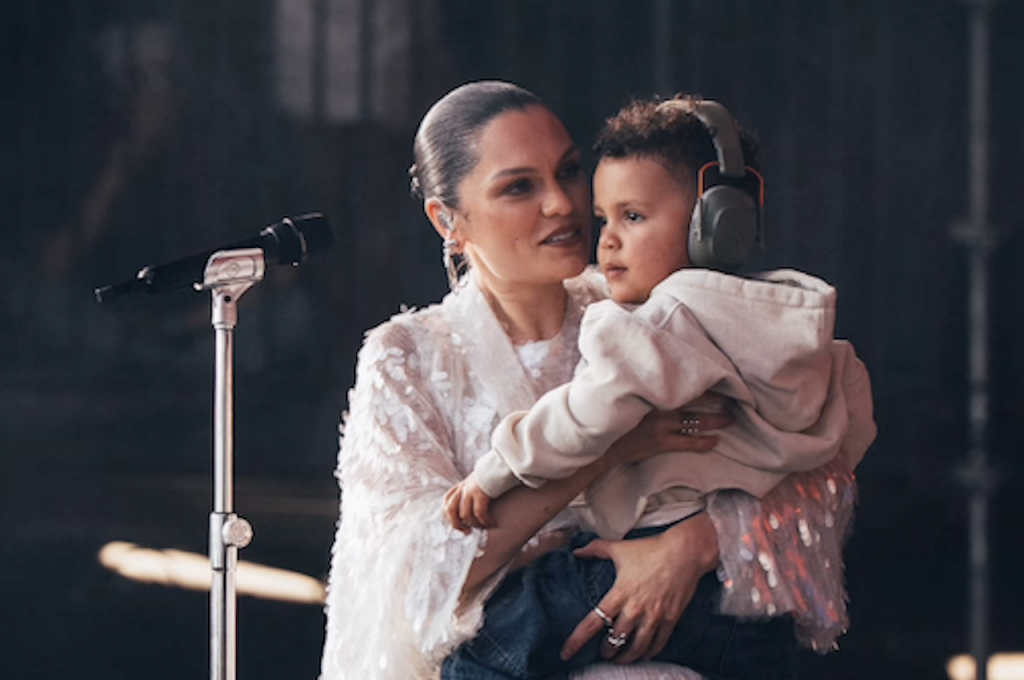
“Post baby, post cancer, this Aries mamma is starting to get her spicy back,” she wrote in an Instagram story, embracing both her recovery and renewed confidence.

“When I talk to a woman who comes to me and she has breast cancer, I evaluate what the standard options for treatment for her are, which typically include cutting out the cancer– which is either a lumpectomy if you can get it all with just a little scooping around of the area that’s abnormal or a mastectomy for some women meaning taking the full breast because sometimes these lesions can be very extensive in the breast,” Dr. Partridge explains.
If you’ve had a mastectomy, breast reconstruction is one of the major issues to consider. There are several options available. The reconstruction process can happen at the time of the surgery to remove the breast, or later on in the case of implants. Some women opt for no reconstruction, but decide later on that they want reconstruction to restore a sense of self, or simply get back to the way they used to look.
WATCH: Breast Reconstruction: Regaining Your Sense of Self
“Breast reconstruction is about restoring both a woman’s form and her sense of self,” explains Dr. Andrea Pusic, Chief of Plastic and Reconstructive Surgery at Brigham and Women’s Hospital. It’s a deeply personal decision, and today’s surgical options can create breasts that look natural and real.
Immediate reconstruction can produce better results than delayed reconstruction, resulting in fewer surgeries. However, it may require a more extended initial hospitalization and recovery time. This long surgery may also have a higher risk of complications, such as infections, than two separate surgeries.
It may be worth noting that “Delayed reconstruction has fewer complications than immediate reconstruction,” Dr. Terry Myckatyn, a plastic surgeon specializing in breast reconstruction, told SurvivorNet.
When implants are used, the procedure can take two to three hours (so the total surgery time would be around five hours). During reconstruction, one can also take one’s own tissue (usually from the belly area) and transfer it to the breast area.
After breast cancer surgery, women diagnosed with early-stage breast cancer may also need chemotherapy, radiation, or hormone therapy.
Dr. Terry Myckatyn, a breast reconstruction specialist at Washington University in St. Louis, emphasizes that the process is collaborative: “It’s a shared decision-making process between the patient and the physician. The patient needs to advocate for herself and make her goals clear. The physician needs to provide clear, logical, evidence-based explanations for their recommendations.”
WATCH: How some women may keep their breast size and shape in cancer surgery.
Plastic surgeons typically reconstruct breasts using either implants or tissue taken from another part of the body—such as the back, abdomen, or inner thigh. This tissue-based approach, known as a flap procedure, often produces breasts that look and feel more natural than implants and can change with your body over time, for example, with weight gain or loss.
However, flap procedures involve more extensive surgery, longer recovery, and additional scarring—both at the breast and at the donor site. They may also weaken muscles where tissue is taken, and not all patients are candidates. Women who smoke or have certain health conditions, such as poorly controlled diabetes, circulation problems, or connective tissue disorders, may not be eligible.
Implant-based reconstruction usually requires fewer surgeries, smaller incisions, and less scarring, allowing for a quicker return to daily life. The trade-off is that implants don’t adapt to body changes, which can make them look less natural over time. Implants also carry risks of leakage or rupture, which would require replacement.
Every surgical option comes with risks. Understanding those risks—and weighing them against your personal goals—is essential before making a decision.
Another aspect of breast cancer surgery involves the possibility of sparing the nipple.
Jessie J expressed gratitude after her surgery that she “got to keep the nipple.” While we do not have enough information to know for sure, it is possible she received a Nipple-Sparing Mastectomy.
WATCH: Understanding Nipple-Sparing Mastectomies
During a nipple-sparing mastectomy, doctors use special techniques to remove a woman’s breast, leaving the skin and the nipple intact. The idea is to maintain, as close as possible anyway, the natural look of the breast. After a mastectomy, a plastic surgeon will use either an implant or the woman’s own tissue to recreate the breast. When a woman’s own tissue is used, doctors typically take it from fat in the patient’s lower abdomen.
“Nipple-sparing mastectomy, or nipple-preserving mastectomy, differentiates itself from the traditional mastectomy where the nipple was not saved,” Dr. Irene Wapnir, a surgical oncologist and breast surgeon at Stanford University Medical Center, explains to SurvivorNet.
“It’s the ideal procedure for those women who choose to have prophylactic mastectomy who don’t yet have breast cancer, who will choose that route because they have a strong family history of breast cancer, or if they’ve been tested and are a carrier of a mutation, a gene mutation, that predisposes them to a much higher risk of developing breast cancer,” Dr. Wapnir explains.
Expert Resources Helping Patients Rediscover Self-Confidence
Better Understanding Jessie’s Journey
Jessie’s diagnosis—early-stage breast cancer—typically involves a small tumor with no lymph node involvement. Her treatment included a mastectomy and breast reconstruction, a process many women face with varying options and outcomes.
Dr. Elisa Port, Chief of Breast Surgery at Mount Sinai Health System, explains that “Most women do opt to have some reconstruction.”
WATCH: Regaining your sense of self after reconstruction.
Reconstruction can be immediate (during mastectomy) or delayed (months or years later), with techniques ranging from implants to using a woman’s own tissue. While immediate reconstruction often leads to fewer surgeries and better cosmetic results, it may also involve longer recovery and a higher risk of complications.
“Before ‘No Secrets’ came out, I was diagnosed with early breast cancer … Cancer sucks in any form, but I’m holding onto the word early. I have been in and out of tests throughout this whole period. I just wanted to be open and share it,” Jessie said in an Instagram post.
In a follow-up post, she admitted that even as she continued performing and creating, she hadn’t fully processed the emotional weight of her diagnosis.
View this post on Instagram
“One, because, selfishly, I do not talk about it enough. I’m not processing it because I’m working so hard. I also know how much sharing in the past has helped me with other people giving me their love and support, and also their own stories. I’m an open book.”
That vulnerability extended beyond her own experience. Jessie expressed deep empathy for others facing similar or more severe battles, acknowledging the shared pain that often goes unseen.
“It breaks my heart that other people are going through so much similar, and worse. That’s the bit that kills me.”

Even in the midst of physical discomfort, Jessie’s commitment to her craft—and her fans—never wavered. She posted a clip from a recent performance, revealing that she had undergone five breast biopsies the night before taking the stage.
“I was in some discomfort, but so hyped to do it, and I didn’t want to cancel. The more I watch this show back, I can see my brain working in complete overdrive, trying not to blurt it all out.”
Weeks after undergoing breast cancer surgery, Jessie noted how her hair was beginning to fall out.

“My hair has been falling out like crazy since the surgery,” Jessie said.
Hair loss is a common side effect of breast cancer treatment. On the flipside, after treatment, hair tends to regrow.
Jessie J’s journey is a powerful reminder that illness doesn’t erase identity. Through humor, honesty, and heart, she’s showing the world what resilience truly looks like.
Coping With Your New Body After Cancer Treatment
Survivors may find it difficult to adjust to their bodies after undergoing treatment. Some of the body changes are obvious, but not all of them — such as infertility — and these can create body image issues and make survivors feel vulnerable.
One way to prepare yourself for possible body changes during cancer treatment is to understand that changes are possible but also, frequently, temporary. This can also help build up your self-confidence. Your support group, filled with loved ones, can help you during this stage of your journey as well.

Psychologist Dr. Marianna Strongin shares with SurvivorNet some additional tips cancer warriors can explore to help manage the emotional toll body changes can have during treatment.
Dr. Strongin encourages survivors to take ownership of the part (or parts) of their body impacted mainly by cancer treatment. She says that although they may represent “fear and pain,” they also represent “strength and courage.”
“Research has found that when looking in the mirror, we are more likely to focus on the parts of our body we are dissatisfied with, which causes us to have a negative self-view and lower self-esteem. Therefore, I would like you first to spend time gazing at the parts of your body you love, give them time, honor them, and then thank them,” Dr. Strongin said.

Dr. Strongin then suggests looking at the part or parts of your body impacted by the cancer or cancer treatment. She recommends creating a regular practice of accepting your body image because it helps you accept your cancer journey emotionally and physically.
“As you allow yourself to spend more time looking at all of you, you will begin having a new relationship with your body. It may not happen immediately, but with time, you can begin honoring and thanking your new body,” Dr. Strongin added.
Questions to Ask Your Doctor
If you have been diagnosed with breast cancer, you may have questions about how to keep your strength through treatment. Here are a few questions to help you begin the conversation:
- What treatment will I be receiving?
- What side effects are associated with this treatment?
- Are there steps I can take daily to help minimize these side effects?
- What physical activity routine do you recommend for me during treatment?
- Do you have recommendations for someone who doesn’t particularly enjoy exercise?
Learn more about SurvivorNet's rigorous medical review process.


