
A Distorted Voice Prompted Manilow to Get Checked
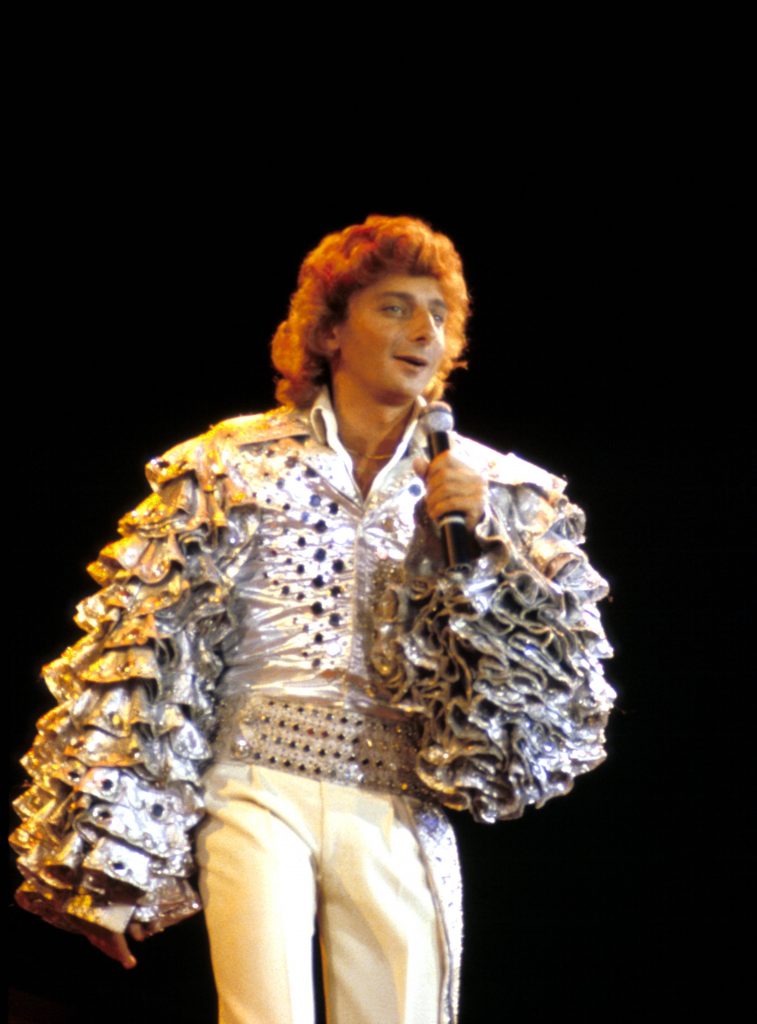
- Iconic singer-songwriter Barry Manilow, 82, is pausing performances to undergo surgery after an MRI revealed an early-stage cancerous spot on his left lung, discovered following weeks of bronchitis and relapse.
- He says his doctors believe the cancer has not spread, and Manilow expects to avoid chemo and radiation as he prepares for surgery and recovery.
- “Even after surgery removes the tumor, you think about what else can improve your chance of a cure. When lung cancer is confined to the lung or nearby removable lymph nodes, surgery is our primary curative tool,” says thoracic oncologist Dr. Geoffrey Oxnard.
- “If the tumor is on the outer part of the lung and it’s small, you can get something called a wedge resection, which is a pizza pie-shaped resection of that lung,” thoracic surgeon Dr. Roger Flores explains of a lung cancer surgery option.
- By contrast, a lobectomy or a segmentectomy involves the removal of a certain segment of the lung (a lobe). During a pneumonectomy, however, the entire lung is removed.
- “As you become more active, your pain may increase a little bit,” thoracic surgery nurse Melissa Culligan explains, adding that patients should take more pain medicine as needed.
- Manilow admitted during a 2012 interview that he once smoked three packs of cigarettes a day, a major risk factor for lung cancer. More recently, he would often be seen vaping.
- Dr. Joseph Friedberg, thoracic surgeon-in-chief at Temple University Health System, says smoking can complicate lung cancer surgery. He urges everyone, especially lung cancer patients, to consider quitting.
In an Instagram post, Manilow, who began his music career in the 1960s, revealed he had endured “six weeks of bronchitis followed by a relapse of another five weeks,” prompting doctors to order an MRI.
View this post on Instagram
“In addition to smoking, which is the most common cause of lung cancer, it also causes heart disease and other arterial diseases,” Dr. Joseph Friedberg, thoracic surgeon-in-chief at Temple University Health System, explains to SurvivorNet.
“We want to get the things to make sure that if surgery is appropriate, we, as best as we can humanly tell, have eliminated the possibilities or the likelihood that you’re going to have a heart attack or a stroke if we subject you to the surgery,” Dr. Friedberg continued.
“Even after surgery, which removes all of the tumor, you start thinking about what else I can do to improve my chance of a cure? And so when a lung cancer is localized to the lung only or has spread to initial lymph nodes that can be removed surgically, then we are looking at surgery as our primary tool for curative therapy,” thoracic oncologist Dr. Geoffrey Oxnard explains to SurvivorNet.
During early-stage lung cancer surgery, Dr. Oxnard says surgeons will generally remove a lobe of the lung. For stage 2 lung cancer surgeries, a chance of the cancer coming back hovers around “ 50%,” Dr. Oxnard says.
“We can make an impact on that by adding chemotherapy after surgery to try to eradicate that microbe metastatic disease that may have spread,” Dr. Oxnard said.
Chemotherapy is often recommended in patients with high-risk features such as tumors > 4cm or in poorly differentiated tumors. There are other factors your clinical team will also consider when deciding on whether chemotherapy is right for you.

What Types of Lung Cancer Surgery Exist?
There are several types of surgery for lung cancer, and the decision about which is best is based largely on the location of your cancer, its size, and whether it has started to spread. A wedge resection is an option if the tumor is small and located on the outside of the lung. In this procedure, your surgeon removes a piece of the lung (in the shape of a wedge), and lung function is not affected.
“If the tumor is on the outer part of the lung and it’s small, you can get something called a wedge resection, which is a pizza pie-shaped resection of that lung. Here, you have the nodule. You cut here, you cut here. It’s a pretty easy procedure,” Dr. Raja Flores, Chairman of the Department of Thoracic Surgery and the Steven and Ann Ames Professor in Thoracic Surgery for the Mount Sinai Health System, explains to SurvivorNet.
WATCH: Surgical Options for Lung Cancer
By contrast, a lobectomy or a segmentectomy involves the removal of a certain segment of the lung (a lobe). During a pneumonectomy, however, the entire lung is removed.
“The lobectomy is important in the sense that you cut directly on the artery that comes off of the heart, the vein that comes off of the heart, and the bronchus, which is the airway that comes off of your trachea,” Dr. Flores explains.
Dr. Flores adds that a pneumonectomy – removal of the entire lung – cannot be performed on every patient because doctors need to ensure their lung function can handle it. He adds that since many patients are or were former smokers, their lungs may have already suffered damage.

Pain Management After Lung Cancer Surgery
As lung cancer patients recover from lung cancer surgery, pain is possible. Melissa Culligan, RN, MS, is a thoracic surgery nurse and Director of Clinical Research in Thoracic Surgery at the University of Maryland Medical Center, explains.
WATCH: Managing Pain and Discomfort after Lung Cancer Surgery
“As you become more active, your pain may increase a little bit. That doesn’t mean there’s something wrong. It just means you may need to take a little bit more pain medicine,” Dr. Culligan said.
Dr. Culligan says patients may have trouble sleeping as they manage pain-related side effects of surgery.

Manilow previously admitted to being a long-time cigarette smoker and, more recently, someone who uses vape pens to satisfy his smoking fix.
However, “Just stopping smoking even for a couple of weeks before surgery will increase your safety,” says Dr. Friedberg.
Smoking can complicate lung cancer surgery. Tiny, hair-like cells called cilia line our windpipes, and their main job is to sweep mucus out of the lungs. Smoking paralyzes these cells, and the inability to clear this mucus effectively is why smokers often develop that telltale hacking cough. During lung cancer surgery, these secretions can get caught in your lung and increase your risk for developing pneumonia, a potentially fatal complication.
According to Manilow’s biography on his website, in 1972, he signed with Bell Records for his debut solo album. Two years later, he produced a popular U.K. hit, “Brandy” Manilow renamed “Mandy,” which became a number one hit in 1975, putting him on the map as a key music act from then on.

After revealing his cancer diagnosis, Manilow received an outpouring of support from fans and fellow musicians alike. Former “Guns N’ Roses” drummer Matt Sorum said, “Sending love from The Sorums …we just saw one of your Christmas shows, and you were unbelievable, take care of yourself, Barry, and we’ll be here when you’re ready.”
“Get well soon, Barry! You’re in my prayers. This will pass, and you’ll be as healthy as an apple real soon! But please! Throw the E-cigarette away, please! Much love and warm hugs,” Instagram user Anna Beckwith said.
Manilow’s Once Smoked Three Packs a Day
Instagram user and Manilow support Anna Beckwith, who draws attention to a notable part of Manilow’s health history that is a major risk factor for lung cancer: smoking.
Manilow previously detailed with the London Evening Standard in a 2012 interview his long history of smoking.
“Well, I smoked for 30 years. I started when I was nine years old. I grew up in Brooklyn,’ he said.

“Then I stopped about [28 – 33] years ago. Then I just started in Las Vegas, and the band and I went down to a little club, and somebody offered me a cigarette. And I was back. Not on a pack a day, ’cause when I was really smoking, I was on three packs a day – non-filters. Oh yeah. I was a great smoker,” Manilow explained.
Dr. Friedberg urges people concerned about their lung cancer risk to quit.
“There’s no gray zone. Smoking causes lung cancer. That’s it. If you’re smoking, stop,” Dr. Friedberg said.
“[Quitting smoking] decreases your chance of getting lung cancer. You never return down all the way to the person who never smoked, as far as your risk of lung cancer, but it goes down,” Dr. Friedberg continued.
WATCH: Lung Cancer in Smokers vs. Non-Smokers
According to Dr. Andrea Tufano-Sugarman of NYU Langone Health, helping people with cancer quit smoking is similar to counseling other smokers, but there are several factors that make it more urgent. First, if patients can stop smoking, they will lower the chance of their cancer coming back. Second, smoking slows wound healing and tissue healing, which can be a problem for treatment and recovery.
“When our patients are going in for a cancer surgery, there’s really a fire under us to get them to stop smoking as soon as possible with any means necessary,” says Dr. Tufano-Sugarman.
“We know that there is a causal relationship between smoking and both incidents of cancer and the chance of dying from cancer,” says Dr. Tufano-Sugarman. “And there are very few things in science that have a cause and effect relationship, but this is one of them, which is very powerful.”
A seven-year study published in Annals of Internal Medicine observed the benefits of lung cancer patients who stopped smoking.
“We found quitting smoking after diagnosis to be an important predictor of overall and progression-free survival in patients with early-stage NSCLC. Compared with patients who continued smoking in the follow-up period, those who quit smoking had 33% decreased risk for overall mortality and 25% decreased risk for cancer-specific mortality,” notes lead author Dr. Madhi Sheikh, a member of the Genetic Epidemiology Group at IARC.
“Furthermore, the median survival time was 21.6 months longer among those who quit smoking than those who continued smoking.”
All Lung Cancer Patients
- Median Survival Time: 5.2 years
- Probability of Survival at Five Years: 50.9%
Lung Cancer Patients Who Continued Smoking
- Median Survival Time: 4.8 years
- Median Progression-Free Survival: 3.9 years
- Median Time to Lung-Cancer Specific Mortality: 6.0 years
- Probability of Survival at Three Years: 66.2%
- Probability of Survival at Five Years: 48.6%
Lung Cancer Patients Who Quit Smoking After Diagnosis
- Median Survival Time: 6.6 years
- Median Progression-Free Survival: 5.7 years
- Median Time to Lung-Cancer Specific Mortality: 7.9 years
- Probability of Survival at Three Years: 74.5%
- Probability of Survival at Five Years: 60.6%
These numbers show that patients who quit smoking had longer median survival time (6.6 years v. 4.8 years), longer median progression-free survival (5.7 years v. 3.9 years), and longer median time to death from lung cancer (7.9 years vs. 6 years).
RELATED: Strategies for Managing Tobacco Cravings
Lung Cancer Isn’t Manilow’s First Cancer Diagnosis
According to OncoDaily, Manilow was diagnosed with throat cancer in 2020 after he underwent testing when his voice started to change.
While not all oral cancers are caused by the human papillomavirus (HPV)—the most common sexually transmitted infection in the U.S.—there is a well-established link between the virus and certain types of head and neck cancers.
According to the National Cancer Institute, HPV is associated with several cancers, including cervical and throat cancers. The Centers for Disease Control and Prevention (CDC) explains that HPV-related cancers occur in areas where the virus is commonly found, such as the cervix, vagina, vulva, penis, anus, and oropharynx (the back of the throat, including the base of the tongue and tonsils).
WATCH: Understanding the Human Papillomavirus
Fortunately, HPV-related throat cancers tend to respond well to treatment, especially when addressed with radiation and chemotherapy. Preventive tools like the HPV vaccine—such as Gardasil 9—offer protection against nine strains of the virus, including HPV 16, which is responsible for the majority of head and neck cancers.
According to Dr. Allen Ho, a head and neck surgeon at Cedars-Sinai, HPV infection is incredibly common among Americans.
“The vast majority of humans in the United States, both men and women, will eventually get infected with HPV,” Dr. Ho told SurvivorNet.
However, only a small fraction of those infected are at risk of developing cancer.
“The important thing to know about HPV is that there are many different strains, and only a couple of them tend to be more cancer-inducing,” Dr. Ho explained.
“Probably less than 1 percent of the population who get infected happen to have the cancer-causing virus that somehow their immune system fails to clear, and over 15 to 20 years it develops from a viral infection into a tumor and cancer.”
Treatment for HPV-related oral cancers often involves surgery to remove the tumor, but may also include chemotherapy, radiation, or targeted drug therapies. In advanced cases, these treatments can affect a patient’s ability to eat or speak, although rehabilitation therapy can help many regain these essential functions.
The rise in HPV-related cancers underscores the importance of prevention, early detection, and public awareness—especially when it comes to the life-saving potential of the HPV vaccine.
Gardasil 9, the most widely used HPV vaccine, offers broad protection. According to the National Cancer Institute, it guards against “nine HPV types: the two low-risk HPV types that cause most genital warts, plus seven high-risk HPV types that cause most HPV-related cancer.”
Expert Resources on Lung Cancer
- Baltimore-Area Oncologists On How Next-Generation Sequencing Can Guide Lung Cancer Treatment
- A New Wave Of Treatments Is Providing Hope For Small Cell Lung Cancer Patients
- A New Option for Some People With Lung Cancer: How This Immunotherapy/Chemotherapy Combo Can Increase Treatment Success
- Diagnosing Lung Cancer and Determining Treatment
- Do You Have Stage Two Lung Cancer? Here’s What You Should Know About Treatment Options.
- Enhertu: A Targeted Treatment Provides Hope For Difficult-To-Treat Lung Cancer
Smoking and Cancer Risk
Lung cancer is the leading cause of cancer deaths for men and women in the United States. Nonsmokers still get lung cancer, but cigarette smoking is the number one risk factor for the disease. Tobacco smoke contains a mixture of more than 7,000 different chemicals, at least 70 of which are known to cause cancer, the Centers for Disease Control and Prevention (CDC) says.
The CDC says cigarette smoking is linked to about 80 to 90 percent of lung cancer deaths, and people who smoke cigarettes are 15 to 30 times more likely to get lung cancer or die from lung cancer than people who don’t smoke. Additionally, secondhand smoke can cause lung cancer.
Smoking is, of course, the primary cause of lung cancer, but nonsmokers can and do develop this disease. Researchers have made progress in understanding the differences between lung cancer in smokers versus nonsmokers, says Dr. Ronald Natale, a medical oncologist at Cedars-Sinai Medical Center, and they’re developing targeted treatments that will be able to address the genetic drivers of lung cancer in nonsmokers.
“Among patients who are nonsmokers, or former very light smokers, we identify a mutation that we can target with pills in about 60% to 70% of them. That leaves 30% or so, 40%, in whom we either have a target for which we do not have a successful treatment,” Dr. Ronald Natale, a medical oncologist at Cedars-Sinai Medical Center, tells SurvivorNet.
“Among patients who are smokers, who have more complex cancers that have hundreds, sometimes thousands of mutations, don’t have a driver mutation that we can give a pill for, which is only a tiny percentage of lifelong smokers. Chemotherapy is the primary treatment in most patients,” Dr. Natale explains further.
WATCH: Does smoking marijuana pose health risks?
Research published in Cancer Journal for Clinicians suggests that although the number of cancer cases is expected to rise, by eliminating tobacco use, millions could significantly reduce their cancer risks.
According to researchers, the number of annual cancer diagnoses will jump from roughly 20 million today to 35 million by 2050. The figure puts added pressure on cancer awareness advocates and healthcare practitioners because some of these cancer cases are preventable, according to experts.
“[Eliminating] tobacco use alone could prevent 1 in 4 cancer deaths or approximately 2.6 million cancer deaths annually,” said Dr. Ahmedin Jemal, senior vice president of surveillance & health equity science at the American Cancer Society and senior author of the study.
Tobacco, more specifically smoking cigarettes, is a significant risk factor for lung cancer, which is “the most commonly diagnosed cancer and leading cause of cancer death overall and in men worldwide,” the American Cancer Society says.
Understanding Lung Cancer and Why It’s Hard to Catch Early
Lung cancer forms when cancer cells develop in the tissues of the lung. It is the second most common form of cancer and the leading cause of cancer deaths in both men and women in the U.S., SurvivorNet experts say. It’s “completely asymptomatic,” says Dr. Friedberg.
“It causes no issues until it has spread somewhere. So, if it spreads to the bones, it may cause pain. If it spreads to the brain, it may cause something not subtle, like a seizure,” Dr. Friedberg adds.
WATCH: Detecting lung cancer in the absence of symptoms.
Scans such as X-rays can help doctors determine if a shadow appears, which can prompt further testing for lung cancer.
Lung cancer often doesn’t cause symptoms until it has already spread outside the lungs, according to SurvivorNet’s experts.
There are two main types of lung cancer, which doctors group together based on how they act and how they’re treated:
Non-small cell lung cancer (NSCLC) is the most common type and makes up about 85% of cases.
Small cell lung cancer (SCLC) is less common, but it tends to grow faster than NSCLC and is treated very differently.
Some people with lung cancer may experience symptoms such as:
- A cough that doesn’t go away, that gets worse, or that brings up bloody phlegm
- Shortness of breath
- Fatigue
- Chest pain
- Hoarse voice
- Appetite loss
- Weight loss
If you are experiencing these kinds of symptoms consistently, contact your doctor for further tests.
Advancements In Lung Cancer Treatment
Lung cancer treatment is still evolving, offering the promise of hope for people living with this type of cancer. Research presented at the 2024 American Society of Clinical Oncology (ASCO) showed that (generic name: durvalumab) (brand name: Imfinzi), a type of immunotherapy drug, could reduce the risk of death for patients with limited-stage small cell lung cancer (LS-SCLC) by 27 percent.
The study demonstrated that the use of Imfinzi improved overall survival and progression-free survival (the time a patient lives without their disease getting worse) in patients.
“SCLC is one of the most aggressive types of lung cancer. The ADRIATIC trial is a landmark study and provides a new standard of care with the addition of immunotherapy for patients with early-stage SCLC who are being treated with the goal of curing their cancer,” said Dr. Lauren Byers, thoracic section chief in the Department of Thoracic-Head & Neck Medical Oncology at the University of Texas MD Anderson Cancer Center in Houston.
Dr. Byers pointed out that Imfinzi helped patients live for years compared to many other treatment approaches, where the benefits were measured in months.
WATCH: Understanding Immunotherapy in Lung Cancer.
Another treatment option that has shown great promise is the drug Rybrevant, which is approved by the U.S. Food and Drug Administration for non-small lung cancer (NSCLC) and has a specific genetic mutation your doctor can identify through testing.
“When a patient comes in, we immediately sequence the tumor. We are doing panels that might include three, four, or 500 genes, the ones that are most likely. Some sort of next-generation approach is the best standard of care these days – it has to be done,” Dr. Herbst explains.
The active ingredient in Rybrevant is amivantamab-vmjw. It belongs to a class of drugs known as biologics, which are made from living cells.
The drug works like a guided missile, finding and sticking to the bad cancer cells. It targets and attaches to two specific proteins in cancer cells, disrupting their growth signals and activating the immune system to fight the cancer.
Once it finds its target, it blocks the signals the cells need to grow and spread. This stops the cancer from worsening and helps patients feel better for longer.
Rybrevant is different from older cancer treatments because it is a targeted drug therapy. It doesn’t just attack all rapidly dividing cells as traditional chemotherapy does. Instead, it goes after the cancer cells with the mutation it was designed to treat while avoiding the healthy surrounding cells. This means it can be more effective and might have fewer side effects than other treatments.
WATCH: Imfinzi offering hope to patients.
Lorlatinib and crizotinib are other lung cancer treatments known as tyrosine kinase inhibitors. These drugs target ALK, a signaling protein inappropriately present in the tumors of about five percent of patients with NCSLC.
“It is encouraging that the upfront benefits of lorlatinib over crizotinib continue for several years in more than half the patients. It is also encouraging that patients receiving lorlatinib had much fewer incidences of brain metastasis, which can be devastating,” Dr. Leslie Busby, an oncologist at Rocky Mountain Cancer Centers, told SurvivorNet.
Five-year PFS, or the percentage of patients who lived five years without any evidence of cancer growth or death, was 60% among patients who received lorlatinib compared to only 8% among patients who received crizotinib—an absolute difference greater than 50%.
How Molecular Testing Helps Lung Cancer Patients
Lung cancer treatment has seen notable progress, partly because of molecular testing and profiling. This type of testing helps better understand specific genetic alterations and mutations that drive the growth, development, and progression of cancer cells. Some of these molecular characteristics can be targeted using precise and effective new therapies to improve patient outcomes. Ultimately, understanding the molecular profile of each person’s cancer allows oncologists to use customized and personalized treatments.
RELATED Next-Generation Sequencing in Lung Cancer
There are several next-generation sequencing (NGS) tests you may encounter, depending on where you are getting treatment and what you are getting treatment for. Here are some of the common ones currently on the market:
- FoundationOne®CDx looks at 324 genes in solid tumors and says results can take up to 12 days. Test results include microsatellite instability (MSI) and tumor mutational burden (TMB) to help inform immunotherapy decisions.
- OmniSeq Insight provides comprehensive genomic and immune profiling for all solid tumors. It looks for 523 different genes. Test results include microsatellite instability (MSI) and tumor mutational burden (TMB), as well as PD-L1 by immunohistochemistry (IHC).
- Cobas EGFR Mutation Test v2 identifies 42 mutations in exons 18, 19, 20, and 21 of the epidermal growth factor receptor (EGFR) gene. It is designed to test tissue and plasma specimens with a single kit, allowing labs to run tissue and plasma simultaneously on the same plate.
Questions for Your Doctor
If you find yourself diagnosed with lung cancer and are concerned about the long-term impacts, here are some questions you can ask your doctor.
- Has my cancer spread to other parts of the body?
- Based on my cancer stage, what are my treatment options?
- What are the side effects of my recommended treatment?
- Are there ways to help minimize the effects of treatment?
- How long will I be unable to work or carry out my daily activities?
- What financial resources are available to get the treatments I need?
Learn more about SurvivorNet's rigorous medical review process.


