What To Expect When Heading Into The Operating Room
- When surgery is performed on patients with glioma, in most cases the goal is something called maximum safe resection, which means the surgical team removes as much tumor as possible without harming areas of the brain responsible for speech, movement, and other essential functions.
- Surgeons use a combination of skills, technology, and physical feedback to understand where the tumor stops and to remove as much as possible without sacrificing safety.
- When a tumor is close to areas that control speech or movement, surgeons sometimes keep the patient conscious and awake so they can test functions during the operation.
- While many assume brain surgery would require a long hospital stay, many patients go home quickly — often within days.
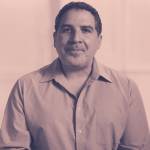
Dr. Rafael Vega, a neurosurgical oncologist at Harvard Medical School, tells SurvivorNet that even though gliomas are serious, patients are often surprised by how strategic and controlled surgery can be.
Read MoreThe Goals Of Glioma Surgery
Patients often ask what surgeons are trying to accomplish in the operating room, and whether surgery can “cure” a glioma. In most cases, the goal is something called maximum safe resection, which means the surgical team removes as much tumor as possible without harming areas of the brain responsible for speech, movement, and other essential functions. This balance matters because gliomas tend to blend into healthy brain tissue rather than forming a clean edge.“You can somewhat tell visually… but once you start dissecting, it starts to blur,” Dr. Vega explains, referring to how the tumor and brain can look similar beneath the surface. He adds that surgeons use a combination of skills, technology, and physical feedback to understand where the tumor stops.
Surgery goals are often a combination of safety, precision, and removal of enough cancerous material to delay recurrence.
How Surgeons Navigate The Brain
Surgery for a glioma is highly planned and involves multiple layers of safety.
Surgeons combine systems to build a three-dimensional understanding of the tumor. This may include:
- Microscopic visualization and tactile feedback to help the surgeon see and feel subtle differences in tissue
- Neuro-navigation — often described as a GPS system — to show where surgical instruments are in relation to the MRI
- Intraoperative ultrasound offers real-time imaging when the brain shifts during surgery
- Functional mapping helps preserve language, movement, and facial recognition pathways
“You can use navigation to tell where your depth is. But the bigger the tumor is … the brain becomes floppy … the navigation becomes unreliable,” Dr. Vega explains. In other words, what was accurate at the start can change as tissue is removed — this is when ultrasound becomes the more trustworthy guide deeper into the surgery.
Why Some Gliomas Require Awake Surgery
One of the most surprising aspects of modern brain surgery is that some patients are awake during parts of the procedure. Believe it of not, this actually helps make the procedure safer.
When a tumor is close to areas that control speech or movement, surgeons keep the patient conscious so they can test functions during the operation. This allows the team to push the limits of tumor removal without crossing into areas that would cause permanent deficits.
“We do motor mappings… awake craniotomy… to preserve your ability to talk, move, swallow, recognize faces,” Dr. Vega explains. These techniques help many patients return to normal life while gaining the benefit of a more complete resection.
When To Stop Surgery
Patients often wonder how the surgeon knows when they’ve removed “enough.” The answer is a combination of real-time imaging, physiological testing, and judgment shaped by experience.
“You try to go a little bit beyond what is safe for the person,” Dr. Vega explains. Surgeons may remove tumor outside the visible margin if it is safe to do so. This is called supramaximal resection, and in some cases, it can delay tumor regrowth. But there is always a limit.
When the tumor reaches an eloquent brain region, safety becomes the priority. “If somebody’s telling you it cannot be removed, you should absolutely get a second opinion,” he notes, underscoring that specialists in gliomas may feel comfortable operating where others don’t.
What Recovery Looks Like After Surgery
While many assume brain surgery would require a long hospital stay, many patients go home quickly.
“You can do a surgery like this and most people are safe to go home in a day or two,” Dr. Vega says. “Most people complain just about the incision or a little numbness.”
In the days and weeks after surgery, patients may experience:
- Low energy
- Headache or incision discomfort
- Swelling that slowly resolves
- Anxiety while waiting for pathology results
Most of these symptoms improve as the brain settles, and within a few weeks, people often return to daily routines with follow-up appointments.
Follow-Up After Surgery
After surgery, patients undergo additional evaluation to understand the tumor’s molecular biology — including IDH mutation status and other markers.
A typical follow-up schedule includes:
- A wound check 2 weeks after surgery
- A pathology review to discuss results
- A 3-month MRI to establish a baseline
“For a Grade 2 glioma, you typically don’t have to do any [additional treatments] afterwards as long as you did a good resection,” Dr. Vega explains.
If the tumor returns years later, treatments such as repeat surgery, radiation, or targeted therapies may come into play — depending on the timing and molecular features.
“There is a role for going back … especially if a subtotal resection was done at another center,” Dr. Vega adds. New therapies like vorasidenib can also delay the need for radiation for younger patients.
Glioma surgery involves advanced technology, years of training, and careful planning — but it also involves conversations about hope, uncertainty, and preparation for what may come over time.
“It’s not about over-delivering and telling you you’re cured,” Dr. Vega says. “It’s about you’re going to do well, likely for a long time — but we follow you because if it comes back, we want to be prepared.”
Questions To Ask Your Doctor
- What can I do to prepare for glioma surgery?
- What complications and potential side effects should I be aware of?
- How long should I expect to stay in the hospital?
- How will I be monitored after surgery and in the coming months?
Learn more about SurvivorNet's rigorous medical review process.